


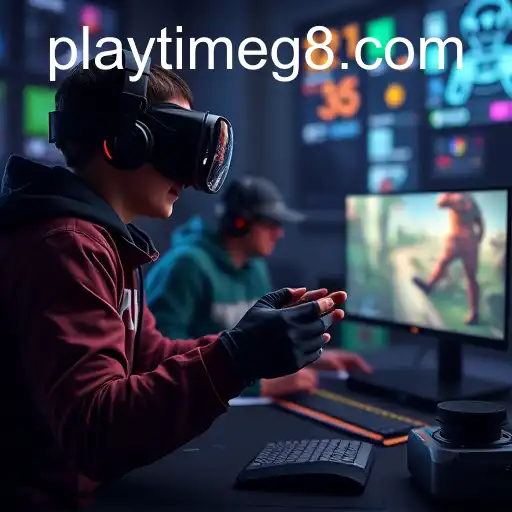
As we step into 2026, the world of online gaming is undergoing transformative changes, with 'playtime game' becoming a key phrase among gaming enthusiasts. This trend is not just a matter of casual interest but is a reflection of deeper dynamics in the digital entertainment industry, where the lines between gaming, community, and content creation blur increasingly.
The term 'playtime game' encapsulates an array of games designed not only to entertain but also to engage players in interactive and educational experiences. These games have seen surging popularity, especially on platforms dedicated to learning and development through play. The current shift is largely driven by advancements in virtual reality and augmented reality, offering gamers immersive experiences that were once confined to the realms of science fiction.
From virtual reality environments where players can physically interact with game elements, to AI-driven narratives that adapt to individual player choices, the evolution of playtime games marks a new chapter in digital entertainment. Game developers are increasingly incorporating educational elements, promoting cognitive development along with entertainment. This has opened doors for educational institutions to partner with game developers, setting new benchmarks in e-learning methodologies.
Moreover, the rise of community-focused gaming platforms highlights the growing emphasis on social interaction. Games are no longer just about individual achievements but about collaborative experiences. Platforms that support playtime games have reported increased usage metrics tied directly to their community-building aspects, encouraging debates on how these interactions could influence social behavior outside the digital realm.
With these dynamic shifts, industry observers suggest that the future of online gaming will lean heavily on personalization. Data analytics and AI will play pivotal roles in tailoring gaming experiences to individual preferences, making them more engaging and meaningful.
In the coming years, as technology continues to advance, the interplay between playtime games and other facets of digital life will likely become even more pronounced. For now, 2026 is shaping up to be a year of significant evolution in how 'playtime game' and its associated dynamics shape our digital playgrounds.