


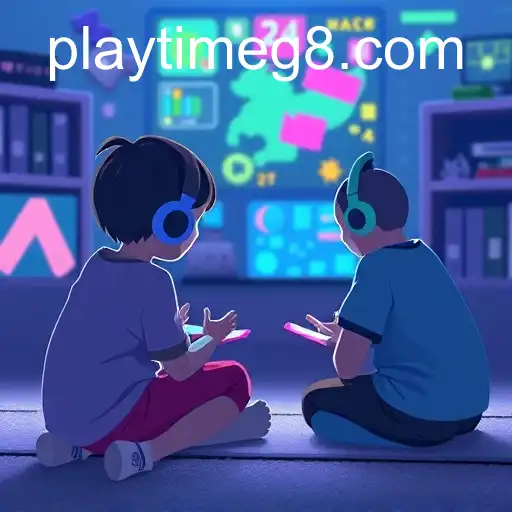
As digital platforms continue to evolve, 2026 marks a significant year for online games, particularly in the educational sector. The integration of learning and gaming has led to an unprecedented rise in 'playtime games' designed not only to entertain but also to educate. This growing trend is reshaping how children and adults alike engage with educational content.
The concept of 'playtime game' has expanded beyond simple entertainment to become instrumental in delivering educational content in engaging ways. These games incorporate subjects ranging from mathematics and science to history and art, making learning more interactive and enjoyable. The ability of these games to combine fun with learning outcomes has garnered attention from educators, parents, and policymakers.
In recent developments, many educational institutions are incorporating these games into their curriculums to enhance traditional teaching methods. Reports indicate that students who use educational online games show improved retention rates and increased motivation to learn. This is particularly significant in a post-pandemic era where remote education has become a norm.
Moreover, the growth of 5G technology has significantly boosted the accessibility and quality of these online games, enabling high-performance, interactive experiences on various devices. This technological advancement is crucial in making educational gaming more widely available and effective.
Despite the promising advancements, there are ongoing debates about the potential negative impacts of excessive screen time on children. Critics argue that, while educational games are beneficial, they should complement traditional learning rather than replace it. Balancing screen time with other educational activities remains a critical discussion point.
Looking ahead, the dynamics of educational online gaming are expected to continue evolving. Market trends predict a surge in demand for more personalized and adaptive learning games, providing users with tailored educational experiences that cater to individual learning needs and preferences.
The rising influence of educational online games underscores the shifting landscape of digital learning, where entertainment and education go hand in hand. As we progress further into 2026, the gaming industry is poised to play a pivotal role in shaping the future of education.